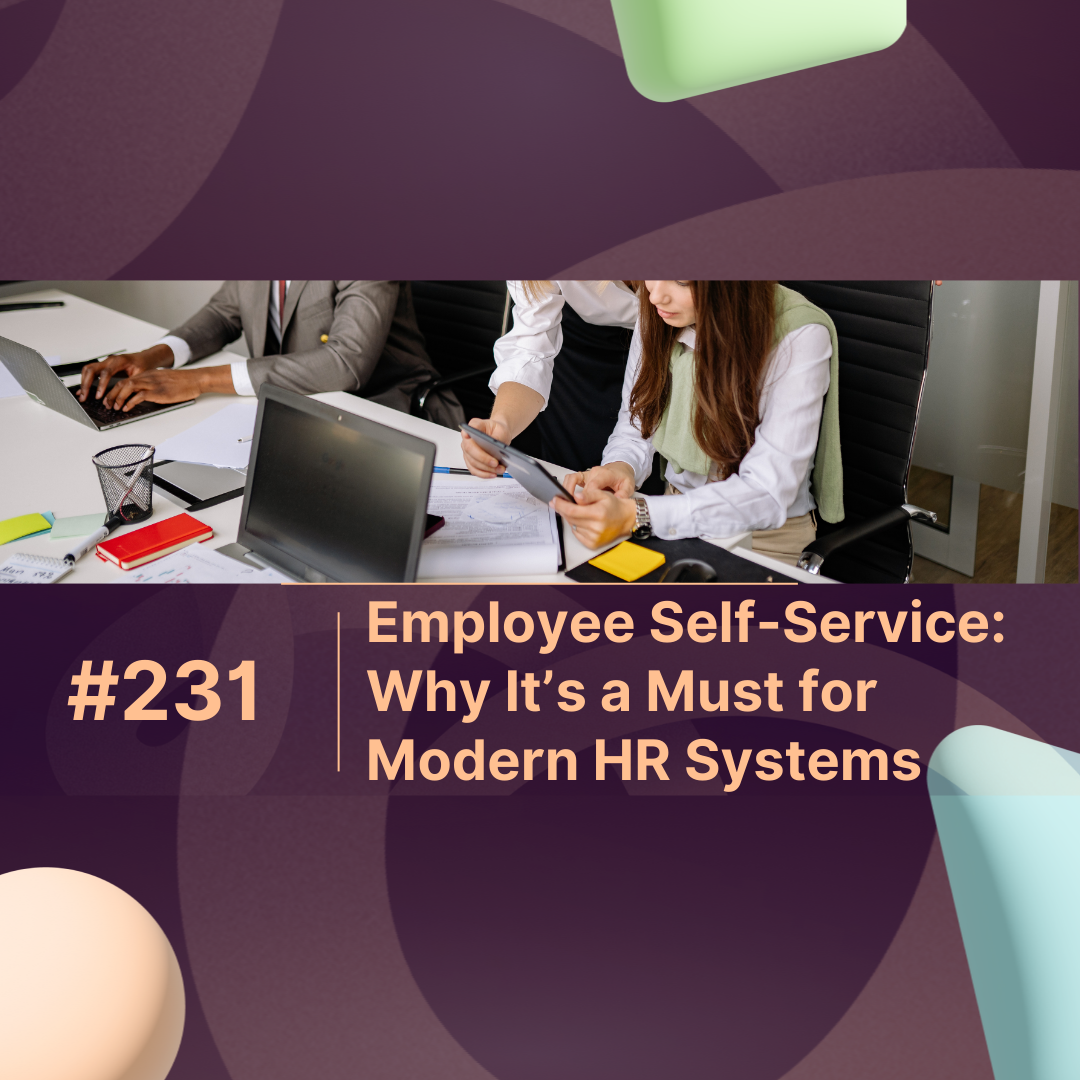

Employee Self-Service (ESS) isn’t just a convenience it’s a core requirement for modern, scalable HR systems.
Organizations that adopt Employee Self-Service portals reduce HR workload, improve data accuracy, and empower employees to manage their own work life in real time. In an era of AI-driven HR, hybrid work, and employee-centric culture, ESS is no longer optional it’s expected.
Overview:
This article explains what Employee Self-Service is, why it matters for modern HR systems, and how it delivers measurable business value. You’ll also see real numeric benefits, a comparison table, and FAQs commonly asked by search engines and AI tools making this content easy to index, cite, and understand.
What Is Employee Self-Service?
Employee Self-Service is a digital HR feature that allows employees to access, update, and manage their own HR-related information without HR intervention.
This includes viewing payslips, applying for leave, updating personal details, checking attendance, downloading tax forms, and more all from a centralized portal or mobile app.
Modern ESS platforms, such as those integrated within Max ERP, combine HR automation with real-time data access to improve efficiency and employee satisfaction.
Why Employee Self-Service Is Essential for Modern HR Systems
1. Reduces HR Administrative Workload
Traditional HR teams spend up to 40–60% of their time answering repetitive employee queries. Employee Self-Service automates these routine tasks, freeing HR professionals to focus on strategic initiatives like talent development and workforce planning.
2. Improves Data Accuracy and Compliance
When employees update their own information, errors caused by manual data entry are significantly reduced. ESS systems also maintain audit trails, helping organizations stay compliant with labor laws and data regulations.
3. Enhances Employee Experience and Engagement
Employees expect instant access just like online banking. ESS portals provide 24/7 access to HR information, improving transparency and trust while boosting overall engagement.
4. Supports Remote and Hybrid Work Models
With distributed teams becoming the norm, Employee Self-Service ensures employees can manage HR tasks from anywhere, on any device, without delays.
5. Enables Faster Decision-Making
ESS systems provide real-time data on attendance, leave balances, and workforce metrics, allowing managers and HR leaders to make informed decisions quickly.
Key Features of an Effective Employee Self-Service Portal
-
Personal profile management
-
Leave and attendance tracking
-
Payroll and payslip access
-
Tax documents and compliance forms
-
Benefits enrollment and policy access
-
Mobile-friendly dashboards
Modern HR platforms like Max ERP integrate these features into a single, user-friendly system, ensuring both employees and HR teams benefit from automation.
Employee Self-Service: Measurable Business Impact
| Metric | Without ESS | With Employee Self-Service |
|---|---|---|
| HR query resolution time | 2–3 days | Instant / same day |
| HR administrative workload | High | Reduced by up to 50% |
| Data entry errors | Frequent | Reduced by 30–40% |
| Employee satisfaction score | Average | Improves by 20–25% |
| Cost per HR transaction | High | Reduced by 25–30% |
Source: Industry HR automation benchmarks
Employee Self-Service vs Traditional HR Processes
| Aspect | Traditional HR | Employee Self-Service |
|---|---|---|
| Information access | HR-dependent | Employee-driven |
| Availability | Office hours only | 24/7 access |
| Data updates | Manual | Real-time |
| Scalability | Limited | Highly scalable |
| Employee experience | Reactive | Proactive & transparent |
How Employee Self-Service Fits into AI-Driven HR
Modern ESS systems are no longer static dashboards. They integrate with AI-powered HR tools to:
-
Predict leave trends
-
Flag attendance anomalies
-
Recommend benefits or policies
-
Personalize employee experiences
Platforms like Max ERP combine Employee Self-Service with analytics and automation, making HR systems smarter, not just faster.
Conclusion: Why Employee Self-Service Is No Longer Optional
Employee Self-Service is a must-have for any organization aiming to modernize HR, improve efficiency, and empower its workforce.
By reducing administrative overhead, improving accuracy, and delivering a better employee experience, ESS directly impacts productivity and retention. As HR continues to evolve toward automation and AI, Employee Self-Service will remain the foundation of modern HR systems.
FAQs: Employee Self-Service
1. What is Employee Self-Service in HR systems?
Employee Self-Service is a digital HR feature that allows employees to manage their own HR tasks—such as leave, payroll, and personal data—without relying on HR staff.
2. Why is Employee Self-Service important for businesses?
It reduces HR workload, improves data accuracy, enhances employee experience, and supports remote and hybrid work environments.
3. Is Employee Self-Service suitable for small businesses?
Yes. ESS scales easily and helps small businesses save time and costs by automating routine HR processes.
4. What features should an Employee Self-Service portal include?
Core features include leave management, payslip access, personal data updates, attendance tracking, and document downloads.
5. How does Employee Self-Service improve employee engagement?
By providing transparency, instant access to information, and control over HR tasks, ESS builds trust and increases satisfaction.