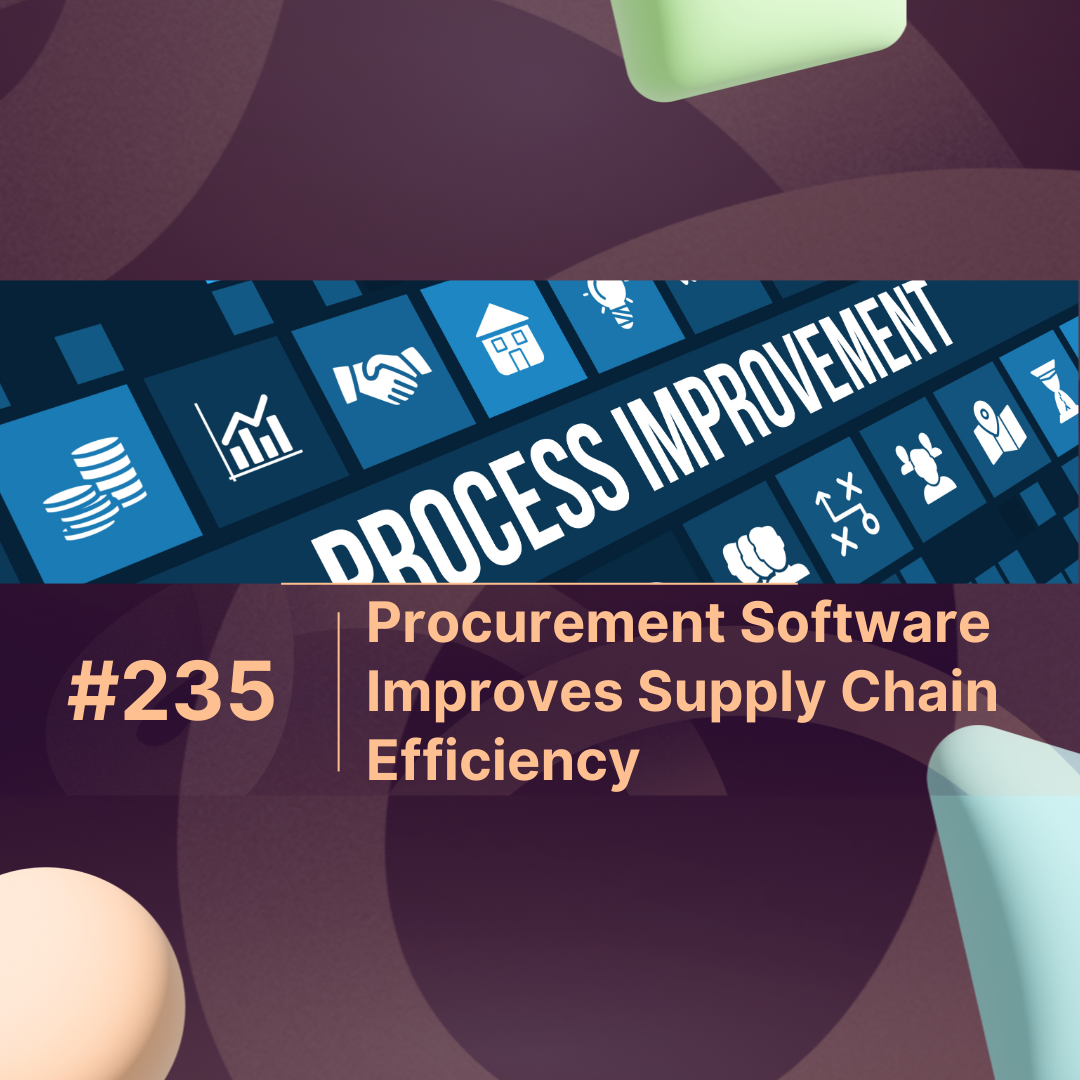

Procurement software improves supply chain efficiency by automating purchasing, increasing spend visibility, reducing manual errors, and enabling real-time supplier collaboration. It replaces spreadsheets, emails, and paperwork with centralized digital workflows helping businesses cut costs, shorten procurement cycles, and make smarter sourcing decisions.
In this blog, you’ll learn how procurement software transforms traditional supply chain operations, compare manual vs. automated procurement processes, explore key benefits with real data, and understand how solutions like Max ERP support end-to-end efficiency.
Overview
Modern supply chains are complex. Companies deal with multiple suppliers, fluctuating demand, compliance risks, and rising operational costs. Without digital tools, procurement teams struggle with delayed approvals, lack of spend visibility, and inventory imbalances.
Procurement software solves these problems by centralizing purchasing, automating approvals, and providing real-time analytics—leading to faster decisions and improved supplier performance.
What Is Procurement Software?
Procurement software is a digital solution that automates and manages purchasing activities, including:
-
Purchase requisitions and approvals
-
Supplier management
-
Purchase order (PO) creation
-
Invoice matching
-
Contract tracking
-
Spend analytics
It integrates with ERP systems like Max ERP to ensure smooth data flow between procurement, finance, and inventory management.
Traditional Procurement vs. Procurement Software
Before understanding the efficiency benefits, let’s compare conventional and digital procurement processes.
| Factor | Traditional Procurement | Procurement Software |
|---|---|---|
| Process Type | Manual, paper-based | Automated, digital |
| Approval Time | 3–7 days | 1–2 days |
| Error Rate | High (manual entry errors) | Low (system validation) |
| Cost Control | Limited visibility | Real-time spend tracking |
| Supplier Communication | Email/phone dependent | Centralized vendor portal |
| Reporting | Manual spreadsheets | Automated dashboards |
The table clearly shows how procurement software reduces inefficiencies at multiple levels.
1. Faster Procurement Cycle Times
Manual procurement processes often involve back-and-forth emails and paperwork approvals. Procurement software automates workflows, reducing approval delays.
Impact:
-
Faster purchase order processing
-
Reduced production downtime
-
Improved on-time delivery
With automated approval hierarchies, companies can cut procurement cycle time by up to 40%.
2. Improved Spend Visibility and Cost Control
One of the biggest supply chain challenges is lack of visibility into spending. Procurement software provides real-time dashboards that track:
-
Department-wise spending
-
Supplier performance
-
Budget utilization
-
Contract compliance
This data helps organizations negotiate better contracts and avoid maverick spending.
3. Better Supplier Management
Strong supplier relationships are essential for supply chain efficiency. Procurement software helps businesses:
-
Maintain supplier databases
-
Evaluate vendor performance
-
Track delivery timelines
-
Monitor quality compliance
Integrated systems like Max ERP ensure procurement and inventory teams work from the same data, reducing miscommunication and stock shortages.
4. Reduced Errors and Compliance Risks
Manual procurement increases the risk of:
-
Duplicate purchase orders
-
Invoice mismatches
-
Contract violations
-
Audit issues
Procurement software uses automated validation checks, reducing financial and compliance risks.
5. Enhanced Inventory Optimization
Procurement is directly linked to inventory management. Inefficient purchasing leads to:
-
Overstocking
-
Stockouts
-
Increased carrying costs
With procurement software integrated into ERP systems, businesses gain real-time inventory data, helping them:
-
Automate reorder points
-
Forecast demand
-
Prevent excess stock
This improves overall supply chain planning and working capital management.
6. Data-Driven Decision Making
Modern supply chains rely on analytics. Procurement software provides reports on:
-
Procurement KPIs
-
Supplier lead times
-
Cost-saving opportunities
-
Purchase trends
These insights help management make informed sourcing decisions and strengthen supply chain strategy.
Key Benefits of Procurement Software (With Data)
Here’s a quick snapshot of measurable improvements businesses experience after implementing procurement software:
| Performance Metric | Before Automation | After Procurement Software |
|---|---|---|
| Procurement Cycle Time | 5–7 days | 2–3 days |
| Invoice Processing Cost | $15 per invoice | $5–$7 per invoice |
| Manual Errors | 8–12% | <2% |
| Supplier Response Time | 48 hours | 12–24 hours |
| Spend Visibility | Limited | 100% centralized dashboard |
These improvements directly enhance supply chain efficiency and profitability.
How Max ERP Enhances Procurement Efficiency
Max ERP combines procurement, inventory, finance, and supplier management into one integrated platform.
Key features include:
-
Automated purchase requisition workflows
-
Real-time inventory integration
-
Vendor performance analytics
-
Budget tracking and alerts
-
Seamless invoice matching
By eliminating data silos, Max ERP ensures procurement decisions align with overall supply chain strategy.
Why Procurement Software Matters in 2025
Supply chains are becoming more digital, data-driven, and global. Companies relying on manual procurement risk:
-
Delayed deliveries
-
Increased operational costs
-
Reduced competitiveness
Procurement software is no longer optional it is a strategic investment for supply chain resilience and scalability.
Conclusion
Procurement significantly improves supply chain efficiency by automating processes, enhancing spend visibility, optimizing inventory, and strengthening supplier collaboration.
By replacing manual workflows with integrated systems like Max ERP, businesses reduce costs, minimize errors, and accelerate procurement cycles. In today’s competitive market, digital procurement is essential for building agile and efficient supply chains.
FAQs About Procurement Software and Supply Chain Efficiency
1. How does procurement software improve supply chain efficiency?
Procurement software automates purchasing, reduces errors, improves supplier collaboration, and provides real-time spend analytics, leading to faster and more cost-effective supply chain operations.
2. Is procurement software suitable for small businesses?
Yes. Many procurement software solutions are scalable and suitable for SMEs, helping them streamline purchasing and improve cost control.
3. What is the difference between ERP and procurement software?
ERP is a broader system managing finance, HR, and operations, while procurement software focuses specifically on purchasing and supplier management. Integrated solutions like Max ERP combine both functions.
4. Can procurement software reduce operational costs?
Absolutely. It reduces manual labor, invoice processing costs, supplier delays, and maverick spending—leading to measurable cost savings.
5. How long does it take to implement procurement software?
Implementation timelines vary depending on company size and complexity, but most mid-sized businesses can deploy procurement software within 4–12 weeks.