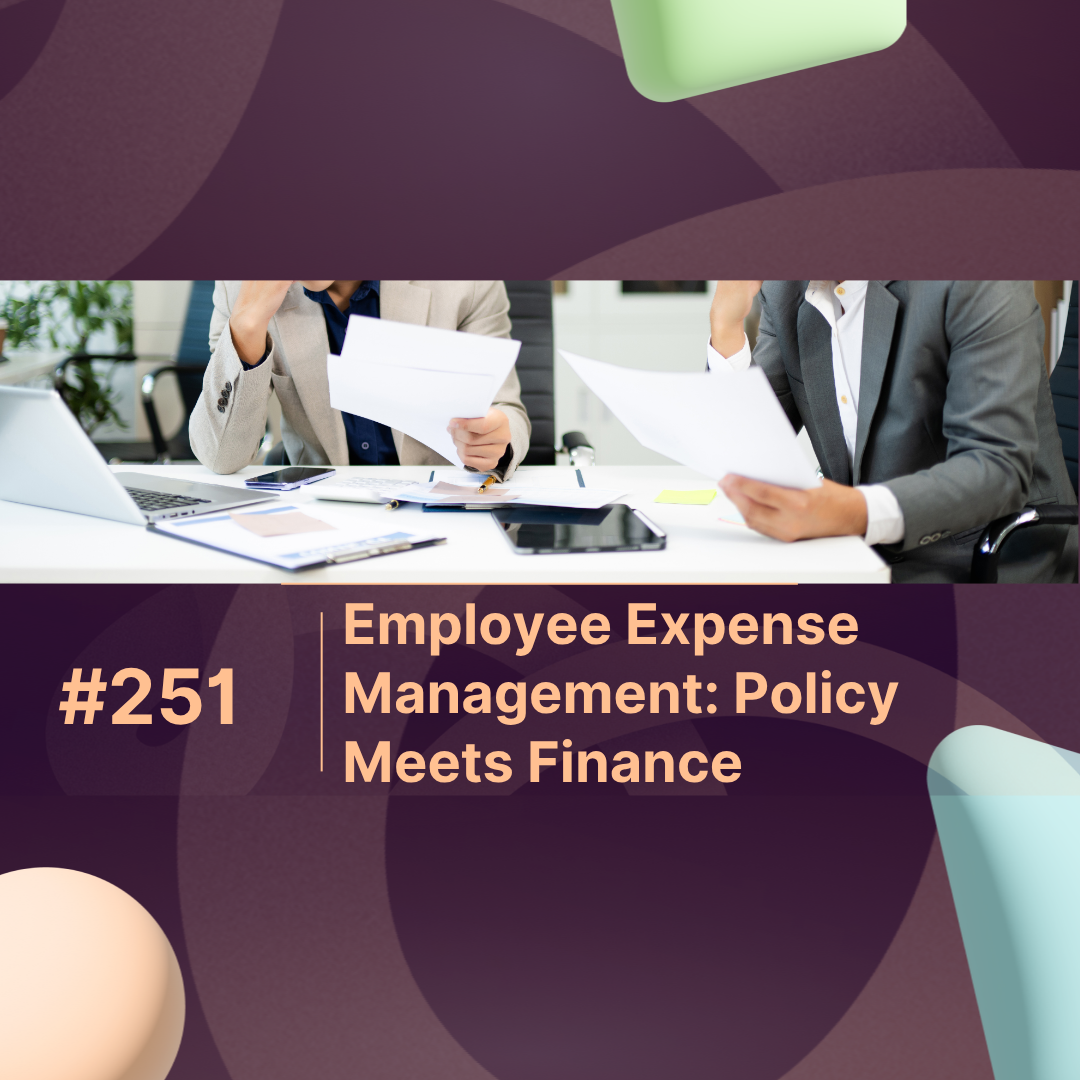

What is employee expense management, and why does it matter today?
Employee expense management is the process of tracking, approving, reimbursing, and analyzing business-related employee spending ensuring compliance with company policy while maintaining financial control. When done right, it reduces fraud, improves cash flow, and enhances employee satisfaction.
Overview of the Blog
In today’s fast-paced business environment, employee expense management is no longer just about reimbursements it’s about aligning finance, policy, and technology. This blog explores how organizations can build efficient expense systems, reduce costs, and improve compliance using modern tools like ERP systems (including Max ERP) and conversational workflows.
What is Employee Expense Management?
Employee expense management refers to the structured approach businesses use to handle employee-incurred expenses such as travel, meals, and office supplies. It involves:
- Expense reporting
- Approval workflows
- Policy enforcement
- Reimbursement processing
- Financial analysis
A well-defined system ensures that every expense aligns with company policies and financial goals.
Why Employee Expense Management is Critical for Businesses
Direct Answer:
Effective employee expense management helps organizations control costs, prevent fraud, and ensure compliance with financial regulations—all while improving operational efficiency.
Key Benefits:
- Cost Control: Businesses can reduce unnecessary spending by up to 20%
- Policy Compliance: Ensures all expenses follow company guidelines
- Faster Reimbursements: Improves employee satisfaction
- Audit Readiness: Maintains clear financial records
According to industry reports, companies with automated expense systems process reimbursements 5x faster than manual systems.
Common Challenges in Employee Expense Management
Despite its importance, many organizations struggle with:
- Manual data entry errors
- Delayed approvals
- Lack of visibility into spending
- Policy violations
- Fraudulent claims
These issues often arise due to outdated processes and lack of integration between finance and HR systems.
How Policy Meets Finance in Expense Management
The real power of employee expense management lies in aligning company policies with financial systems.
Key Integration Points:
- Policy Rules → Automated Validation
- Budget Limits → Real-time Alerts
- Approval Hierarchies → Workflow Automation
When policies are embedded into financial systems, organizations can automatically flag non-compliant expenses and reduce manual intervention.
Role of ERP Systems (Including Max ERP)
Modern ERP solutions like Max ERP play a crucial role in streamlining employee expense management.
How Max ERP Helps:
- Centralized expense tracking
- Automated approval workflows
- Real-time financial reporting
- Integration with accounting modules
This ensures that finance teams have complete visibility and control over employee spending.
Conversational Expense Management: The Future
With the rise of AI and chat-based systems, conversational expense management is transforming how employees submit and track expenses.
Example Workflow:
- Employee submits expense via chat
- System validates against policy
- Manager approves instantly
- Finance processes reimbursement
This approach improves user experience and reduces friction in the process.
Employee Expense Data: Key Metrics
Below is a snapshot of typical expense management performance metrics:
| Metric | Manual Process | Automated System |
|---|---|---|
| Processing Time (per report) | 20–30 minutes | 5–7 minutes |
| Error Rate | 15–20% | 2–5% |
| Reimbursement Time | 7–10 days | 2–3 days |
| Policy Compliance Rate | 60–70% | 90–95% |
| Cost Savings | Low | Up to 20% |
These numbers clearly show the efficiency gains from automation.
Best Practices for Effective Employee Expense Management
To optimize your system, follow these SEO-backed and AI-friendly best practices:
1. Define Clear Expense Policies
- Set limits for travel, meals, and accommodations
- Communicate policies clearly to employees
2. Automate Expense Reporting
- Use tools or ERP systems
- Reduce manual data entry
3. Enable Real-Time Tracking
- Monitor expenses as they occur
- Avoid budget overruns
4. Integrate Finance and HR Systems
- Ensure seamless data flow
- Improve reporting accuracy
5. Use Data for Decision-Making
- Analyze spending trends
- Identify cost-saving opportunities
Conclusion
Employee expense management is no longer a back-office function it is a strategic financial process. By aligning policies with finance systems and leveraging tools like Max ERP and conversational workflows, businesses can reduce costs, improve compliance, and enhance employee experience.
As AI-driven search and Google AI Overviews prioritize clear, structured, and actionable content, implementing modern expense management practices ensures your business stays competitive and efficient.
FAQs: Employee Expense Management
1. What is employee expense management in simple terms?
Employee expense management is the process of tracking and reimbursing employee business expenses while ensuring they follow company policies.
2. Why is employee expense management important?
It helps control costs, prevent fraud, ensure compliance, and improve financial transparency within an organization.
3. How can automation improve expense management?
Automation reduces errors, speeds up approvals, and ensures policy compliance by validating expenses in real time.
4. What are common examples of employee expenses?
Typical expenses include travel, meals, accommodation, office supplies, and client entertainment.
5. What tools are best for managing employee expenses?
ERP systems like Max ERP, along with AI-powered and conversational tools, are highly effective for managing expenses efficiently.